

Introduction
Traditional Rangoli art is more than decoration—it’s a spiritual and cultural expression rooted in Indian heritage. Rangoli, an art form that has been passed down through generations, is an essential part of Indian culture and tradition. From the lively streets of Diwali to the intimate family gatherings of Navratri, Rangoli adds color, vibrancy, and life to any occasion. But what makes this art form so timeless?
The History of Rangoli
Where It All Began
Rangoli has its origins in ancient India, where it was used to decorate the floors of homes, temples, and courtyards. The art was not just a decorative piece but also a symbol of prosperity, positivity, and the welcoming of good fortune. The designs were often created using natural materials such as colored rice, flower petals, and even powdered gemstones.
Cultural Roots
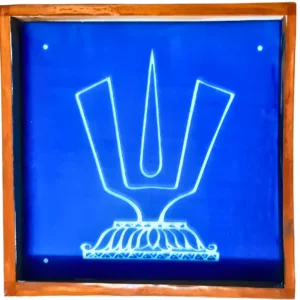
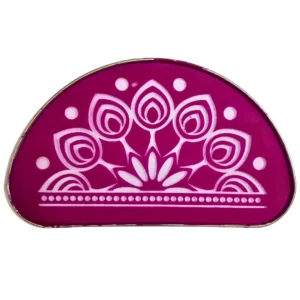
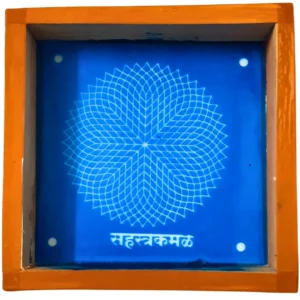
Each pattern in Rangoli carries deep cultural and spiritual significance. Traditionally, these designs were believed to invite deities and bring good luck into homes. The intricate geometrical patterns are considered to be symbols of harmony, balance, and the cosmic order. From the lotus representing purity to the peacock symbolizing grace, every element in Rangoli holds a deeper meaning.
Cultural Significance of Rangoli
The Spiritual Connection
Rangoli is more than just a decorative art; it’s a spiritual practice that has been woven into the fabric of Indian festivals. The designs are thought to invite deities, bring blessings, and cleanse the environment. Many common patterns like the lotus, swastika, and peacock represent various spiritual beliefs, from purity and prosperity to beauty and harmony.
Rangoli is often created during significant festivals such as Diwali, Holi, and Onam, where it serves not only as an art form but as an offering to the divine. The colors and motifs used hold specific meanings, believed to attract positive energy and create a harmonious atmosphere.
Rangoli Through the Ages
From Tradition to Trend
While Rangoli began as a form of art to honor the gods, it has evolved into a global cultural phenomenon. Today, Rangoli designs are not limited to festivals alone; they are used to celebrate various milestones in life, such as weddings, birthdays, and housewarming parties. The patterns have also evolved, with modern designs incorporating more contemporary and abstract motifs while still staying rooted in tradition.
Rangoli Worldwide
Though deeply rooted in Indian culture, Rangoli has gained recognition across the world. With people from different cultural backgrounds appreciating its beauty and symbolism, Rangoli has spread beyond India’s borders. Many people in countries like Nepal, Sri Lanka, and even the West now incorporate Rangoli in their festivals and celebrations, adapting it to their own customs.
Why Rangoli Endures
Rangoli: A Celebration of Creativity
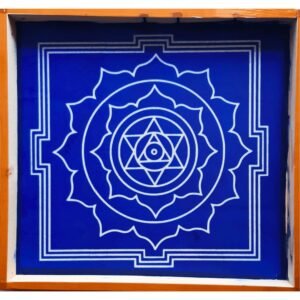
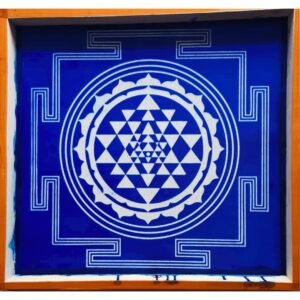
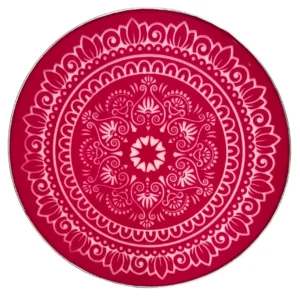
The beauty of Rangoli lies in its adaptability. It can be as simple as a few colorful dots on the floor or as complex as intricate mandalas that take hours to create. It is a celebration of creativity, culture, and community. As a craft, it transcends generations, with elders teaching younger generations the significance of each design and the joy of creating something beautiful with your hands.
Rangoli is timeless because it is accessible to everyone. Whether you are a skilled artist or a beginner, Rangoli allows anyone to express creativity and celebrate cultural traditions. Its versatility means that it can be personalized for any occasion, whether it’s a festival or a wedding.
How to Get Started with Rangoli
Your First Rangoli Design
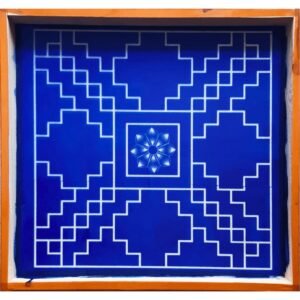
If you’re looking to create your own Rangoli this season, start by learning the basic patterns and experimenting with colors. You can begin with simple geometric designs, such as circles or squares, and gradually move to more complex ones like mandalas or floral patterns. Don’t worry about perfection; Rangoli is all about creativity and personal expression.
When creating your Rangoli, make sure you have the right materials. You’ll need colored powders or flowers, a clean surface, and a steady hand. Take your time, enjoy the process, and remember that the most important part of Rangoli is the love and creativity that goes into it.
Conclusion
Rangoli is more than just an art form; it’s a reflection of India’s rich cultural heritage. Whether you’re creating a design for a festival, a special occasion, or simply for fun, Rangoli allows you to express yourself while connecting with a timeless tradition. So, grab your colors and start your own Rangoli journey today!


Leave a Reply